Tesla Realigns FSD Timeline to 2027, Limiting Autonomy to Robotaxi Zones
Tesla has pushed the launch of unsupervised Full Self-Driving to the second quarter of 2027, but the feature will only function within the company's existing, limited Robotaxi service areas.
By Brianna Jackson ·
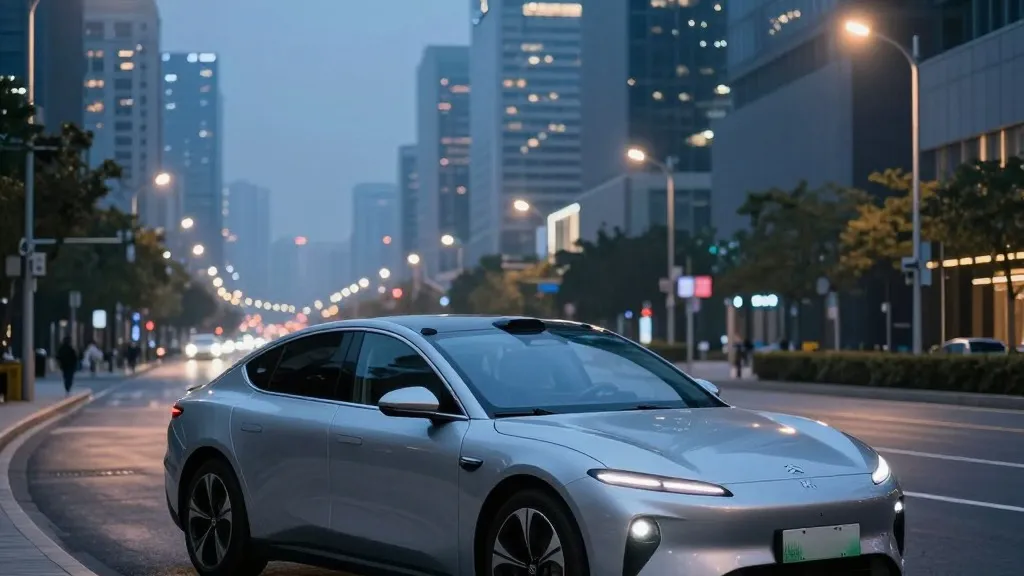
Tesla has officially delayed the arrival of unsupervised Full Self-Driving (FSD) in customer-owned vehicles to the second quarter of 2027, a shift that narrows the scope of the company’s long-promised autonomous capabilities. During the Q3 2026 earnings call held on October 21, the company clarified that this milestone does not represent a universal software update for all owners, but rather a specific integration with its managed fleet.
The first key point involves the operational definition of the new feature. AI Chief Ashok Elluswamy explained that the Q2 2027 rollout is not a general-purpose autonomy package. Instead, it allows owners to register their personal vehicles into Tesla’s managed Robotaxi network. This means the car will only drive itself unsupervised when it is operating within the specific geofences where the Robotaxi service is already active, effectively turning private cars into part of a shared, company-run operation.
The second critical factor is the limited geographic reach of this service. Tesla’s Robotaxi operations are currently confined to six US metropolitan areas, and even within those cities, the service areas are small. For example, the Miami zone covers mostly West Miami and a narrow strip toward Doral and Sweetwater, while Orlando and Tampa launched in July with similarly restricted boundaries. These zones are designed to avoid complex traffic scenarios and highways, sticking to low-speed routes.
The third point concerns the current scale of the autonomous fleet. Tesla reported reaching nearly 2 million cumulative unsupervised miles by the end of Q3, a figure that includes the Cybercab model which joined the Austin fleet last month. However, third-party tracking from earlier in the year indicated that only dozens of fully driverless Teslas were actually on the road, a stark contrast to the hundreds of thousands Musk had previously envisioned. Competitor Waymo, which entered Orlando and Tampa before Tesla, has already accumulated over 3 million miles.
In terms of market context, this announcement marks a significant deviation from the sales pitch that has been in place since 2016. Investors and retail shareholders, representing approximately 1.1 million shares, specifically asked when unsupervised FSD would be available in customer cars. The response indicates that the product is now narrower: a vehicle that joins Tesla’s fleet under Tesla’s terms, rather than a car that drives its owner anywhere via a simple software update.
Regulatory hurdles also play a role in this timeline. In the Bay Area, the service is not yet unsupervised because Tesla has not released the necessary data to the California DMV to move beyond Level 2 autonomy requirements. This regulatory friction means that even in major markets, the company must adhere to stricter rules, including the use of safety drivers in certain configurations. The delay to Q2 2027 reflects an acknowledgment that safety remains the primary bottleneck for broader deployment.
Looking ahead, the outlook for unsupervised FSD is tied to the expansion of these specific zones and the resolution of safety concerns that Elluswamy noted are expected to be addressed by next year. For shareholders, the shift from a universal promise to a zone-specific service changes the valuation of the technology. The company is no longer promising a car that drives you anywhere, but one that can work as a Robotaxi within a controlled environment. This strategic pivot suggests that the broader, unsupervised personal use case remains further out, with the current focus on generating data and revenue within the limited Robotaxi footprint.
Source: Electrek